
Why This 69-Year-Old Is Racing Cyclocross: The Anti-Aging Case for High-Intensity Training
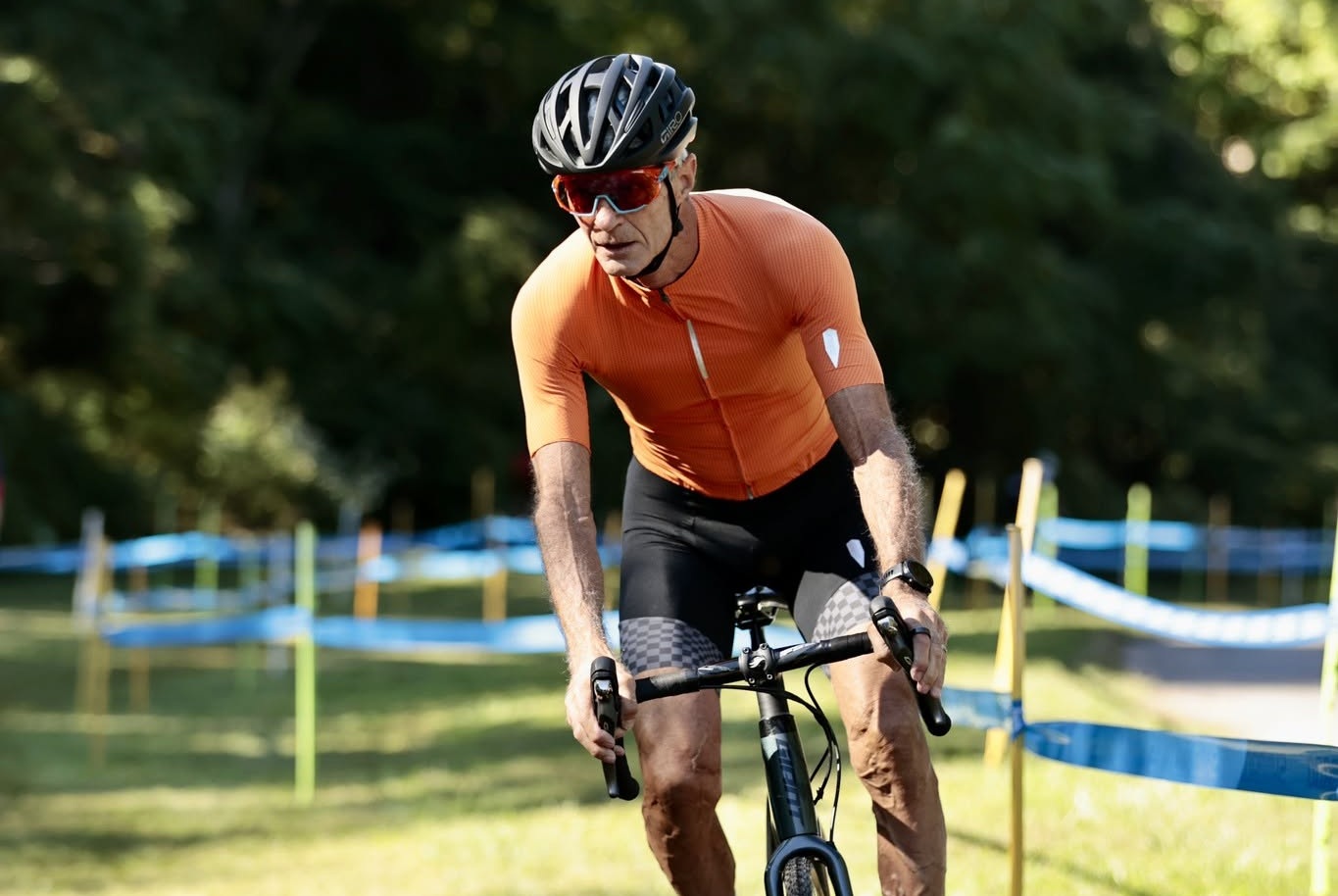
Standard fitness advice for older adults usually sounds polite, gentle, and slow. Go for a long walk. Keep your heart rate low. Stay in Zone 2.
As an endurance coach, I am the first to champion the magic of aerobic, low-intensity miles. They build our mitochondrial network, lay down our base, and keep the engine humming. But if your entire training diet consists exclusively of long, slow distance (LSD), you are leaving your body’s most potent anti-aging mechanisms on the table.
That is precisely why, at 69 years old, you will find me lining up for cyclocross races.
It’s not just because playing in the dirt on a cross bike is wildly fun (though it definitely is). It’s because the physiological data on aging tells a very clear story: if you want to slow down the clock, you have to embrace high-intensity stress.
Here is the science behind why short, brutal, red-line efforts like cyclocross are the ultimate Fountain of Youth for masters athletes.
1. Defending the Aerobic Ceiling (VO₂ Max)
As we age, our physiological ceiling naturally drifts down.Without intervention, an adult can expect a steady decline in VO₂ max (the gold standard measure of cardiorespiratory fitness) of roughly 5% to 10% per decade, with that slide steepening after age 50.
Here is the kicker: research shows that a massive portion of that age-related decline isn’t actually inevitable aging—it’s a reduction in training intensity.
Long, slow distance maintains your aerobic floor, but high-intensity interval training (HIIT) defends your aerobic ceiling. Cyclocross is essentially a 45-minute masterclass in intermittent, maximum-effort surges (90–95% of max heart rate) interspersed with micro-recoveries. That kind of stimulus forces the heart to maintain stroke volume and cardiac output, keeping your cardiovascular profile years or even decades younger than your chronological age.
2. Recruiting the Fast-Twitch Fibers We Try to Lose
Sarcopenia—the age-related loss of muscle mass and function—typically targets our Type II (fast-twitch) muscle fibers first. These are the fibers responsible for explosive power, quick accelerations, and saving yourself when your rear tire slips on a wet off-camber corner.
Long, steady rides recruit Type I fibers exclusively. To protect your fast-twitch fibers, you have to recruit them. The explosive power required to stomp out of a cyclocross sandpit, sprint up a muddy flyover, or violently shoulder your bike acts as a natural defense against muscle atrophy.
3. The Shock Absorption Bonus (Bone Density)
Let’s address the elephant in the room for master’s cyclists: cycling is a non-impact sport.While great for our joints, hours and hours of smooth pedaling do nothing to build or preserve bone mineral density.In fact, dedicated cyclists frequently show lower bone density than the general population.
Cyclocross injects a heavy dose of dynamic, multi-planar physical stress into the equation. Hopping barriers, absorbing rough remounts, cornering hard on grass, and wrestling a bike through ruts introduces mechanical load and impact forces that traditional road and gravel riding completely miss. Your skeletal system remembers what it’s like to handle load, which is vital for long-term structural integrity.
4. Cellular Cleanup and Mitochondrial Health
High-intensity efforts create a transient, powerful metabolic disruption that triggers cellular cleanup processes (autophagy) and stimulates mitochondrial biogenesis in ways that steady-state riding simply cannot replicate. It sends a sharp physiological signal to the body: Adapt, get stronger, or get left behind.
The Takeaway for Masters Athletes
Training at 69 doesn’t mean dialing it back until you’re invisible. It means being smarter, prioritizing your recovery windows, and refusing to let intensity disappear from your calendar just because society says older adults should take it easy.
Long, slow distance builds the foundation of a healthy life, but high-intensity racing builds the resilience that keeps you vibrant, powerful, and fast.
See you out on the cross course. Ohio Valley Cyclocross Series